

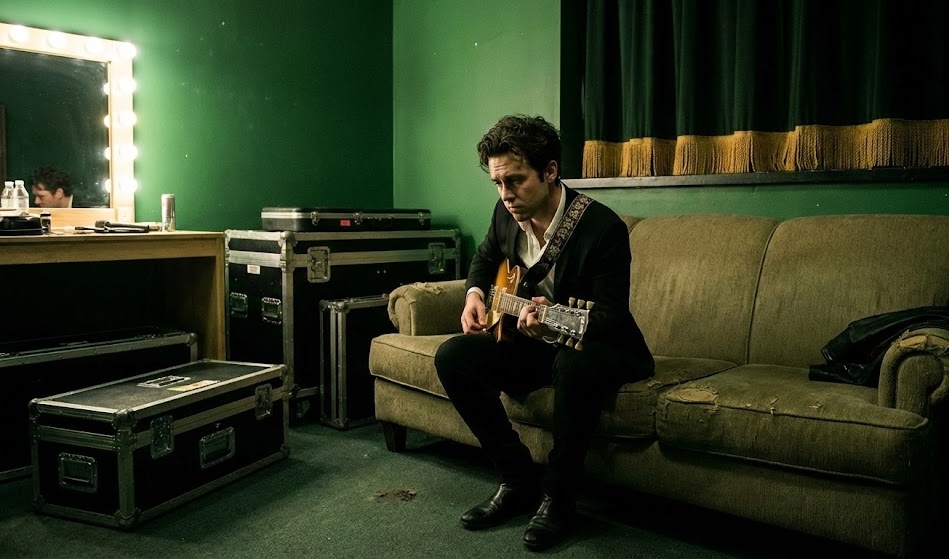
Performance anxiety is not limited to stage actors or athletes. It affects executives presenting to boards, entrepreneurs launching ventures, musicians performing live, and public figures speaking to audiences. Private therapy plays a critical role in helping individuals manage performance-related stress in a healthy and sustainable way.
Understanding Performance Anxiety
Performance anxiety often involves:
- Racing thoughts
- Fear of failure
- Physical symptoms such as sweating or rapid heartbeat
- Self-critical internal dialogue
For high-performing individuals, the stakes can feel enormous — reputational, financial, or creative.
Identifying the Root Causes
Performance anxiety is rarely just about the event itself. It often connects to deeper fears:
- Perfectionism
- Fear of rejection
- Fear of public humiliation
- Self-worth tied to achievement
Private therapy helps clients unpack these underlying patterns.
Evidence-Based Strategies
Therapists may incorporate approaches such as:
- Cognitive restructuring to challenge catastrophic thinking
- Mindfulness techniques to reduce physiological arousal
- Exposure-based strategies to build tolerance
- Emotional regulation skills to stay grounded
Over time, these tools reduce anxiety intensity and increase confidence.
Building Identity Beyond Performance
Many clients discover that their anxiety decreases when their identity expands beyond performance outcomes. Therapy supports a broader sense of self — one not entirely defined by success or applause.
Sustaining Long-Term Confidence
Private therapy helps individuals transition from reactive anxiety management to proactive emotional strength. Instead of avoiding high-pressure situations, clients learn to approach them with steadiness.
Performance anxiety may be common — but with the right support, it does not have to be limiting.
